Academic Alliance
A Global Coalition
Accordia Global Health Foundation’s Academic Alliance is a coalition of committed academicians, physicians, researchers, and other leaders from well-established institutions in North America, Europe, and Africa who work collaboratively to pursue Accordia’s goal of building stronger academic medical centers in Africa. Dr. Merle A. Sande and Dr. Nelson Sewankambo co-founded the Academic Alliance in 2001. The group recognizes that while international resources are needed to combat the ravages of infectious disease epidemics today, the solutions for longer-term success rest in developing and sustaining African capacity to train, treat, and develop appropriate research and care strategies within an African setting. In partnership with Pfizer Inc and Makerere University, creating the Infectious Diseases Institute (IDI) is the Academic Alliance’s main accomplishment to date.
Members of the Academic Alliance continue to provide expertise and guidance to shape future healthcare programs in Africa and to provide African academic medical centers with a reliable source of international expertise in infectious disease.
The Academic Alliance partnership is co-chaired by Dr. W. Michael Scheld, Professor of Infectious Diseases and Internal Medicine and Clinical Professor of Neurosurgery at the University of Virginia School of Medicine, and Dr. Nelson Sewankambo, Principal of the College of Health Sciences at Makerere University Medical School and a pioneer of HIV/AIDS research in Uganda.
Founding Members
- W. Michael Scheld, MD, CO-CHAIR
- Nelson Sewankambo, MD, CO-CHAIR
- Jerrold Ellner, MD
- Moses R. Kamya, MBChB, MMed, MPH
- Elly T Katabira, MBChB, FRCP Edin
- Harriet Mayanja-Kizza, MBChB, M Med (Int Medicine), MS
- Edward Mbidde, MBCHB, MMED, MRCP (UK)
- Roy D. Mugerwa, MBChB, M.Med
- Philippa Musoke, MD
- Thomas Quinn, MD
- Allan Ronald, MD
- David Serwadda, MD
- Fred Wabwire-Mangen, MBChB, DTM&H, MPH, PhD
Additional Members
W. Michael Scheld, MD
Dr. W. Michael Scheld is currently the Bayer-Gerald L. Mandell Professor of Infectious Diseases, Professor of Internal Medicine, Clinical Professor of Neurosurgery, and Director of the Pfizer Initiative in International Health at the University of Virginia (UV) School of Medicine. Dr. Scheld received his BS with honors and distinction from Cornell University in Ithaca, New York, and his MD (with election to Alpha Omega Alpha) from Cornell University Medical College. He completed his internship, residency, and fellowship in Infectious Diseases at the UV Health System, Charlottesville.
Dr. Scheld has received many awards and honors throughout his career, including the Young Clinical Investigator Award from the Southern Section American Federation for Clinical Research and an Established Investigator Award from the American Heart Association. Dr. Scheld is a Founding Member of the Academy of Distinguished Educators at the UV School of Medicine, a Co-Chair and Founding Member of the Academic Alliance for AIDS and Care and Prevention in Africa, and the Founder of the Virginia Infectious Diseases Society. Dr. Scheld has held executive positions at the National Foundation for Infectious Diseases and is past president of IDSA. He has been a member of the American Board of Internal Medicine Subspecialty Board on Infectious Diseases since 1997 and served as the Chair from 2000 to 2004. He was a member of the Interscience Conference on Antimicrobial Agents and Chemotherapy Program Committee for twelve years (including service as Vice-Chair and Chair) and is a Fellow of the American Academy of Microbiology. He is listed in all editions of the Best Doctors in America from 1992 to 2005, all editions of America’s Top Physicians since 2003, and all editions of America’s Top Doctors. Dr. Scheld has been on the editorial boards of a number of scholarly journals and is currently an editorial board member of Infection, International Journal of Antimicrobial Agents, and Medscape Infectious Disease. He has published over 200 original articles and has contributed to another 200 books and peer-reviewed articles. He is a frequent presenter at international conferences, meetings, symposia, and seminars.
Nelson Sewankambo, MD
Dr. Nelson Sewankambo is Principal of the College of Health Sciences at Makerere University in Kampala, Uganda. Dr. Sewankambo was among the first scientists to publish data on AIDS in Africa, was instrumental in starting the AIDS Clinic at Mulago Hospital, and continues to be active in HIV/AIDS research. He is currently Co-Principal Investigator (Co-PI) of the Rakai Health Sciences Program. Dr. Sewankambo was founding Director of the Clinical Epidemiology Unit and Co-PI of the Canadian IDRC-funded Behavioral and Qualitative Research on AIDS Prevention. He has served on numerous local and international advisory boards including the Working Party on the Ethics of Clinical Research in Developing Countries of the Nuffield Council for Bioethics, The Joint Learning Initiative, the WHO African Advisory Committee on Health and Research Development (AACHRD), and the Board of Directors of the International Clinical Epidemiology Network (INCLEN). Dr. Sewankambo is also Chairman of the Infectious Diseases Institute (IDI) Board, a member of Council of the Global Forum for Health Research, and a Chair of Initiative for Strengthening Health Research Capacity in Africa (ISHReCA).
Robert Colebunders, MD
Dr. Robert Colebunders is professor in tropical diseases at the Institute of Tropical Medicine (ITM) in Antwerp and professor in infectious diseases at the University of Antwerp. He is head of the Clinical HIV/STD Unit of ITM. From 1985 to 1988, he worked in the Democratic Republic of the Congo as Coordinator of the clinical studies on HIV/AIDS of "Project SIDA" in Kinshasa. He is one of the first physicians who studied and described the clinical manifestations of HIV infection in Africa. He also has been involved in two hemorrhagic fever outbreaks in Africa (Ebola and Marburg). From 2004 to 2005, he spent a sabbatical year at the Infectious Diseases Institute and was mainly involved in starting its outpatient clinic.
Jerrold Ellner, MD
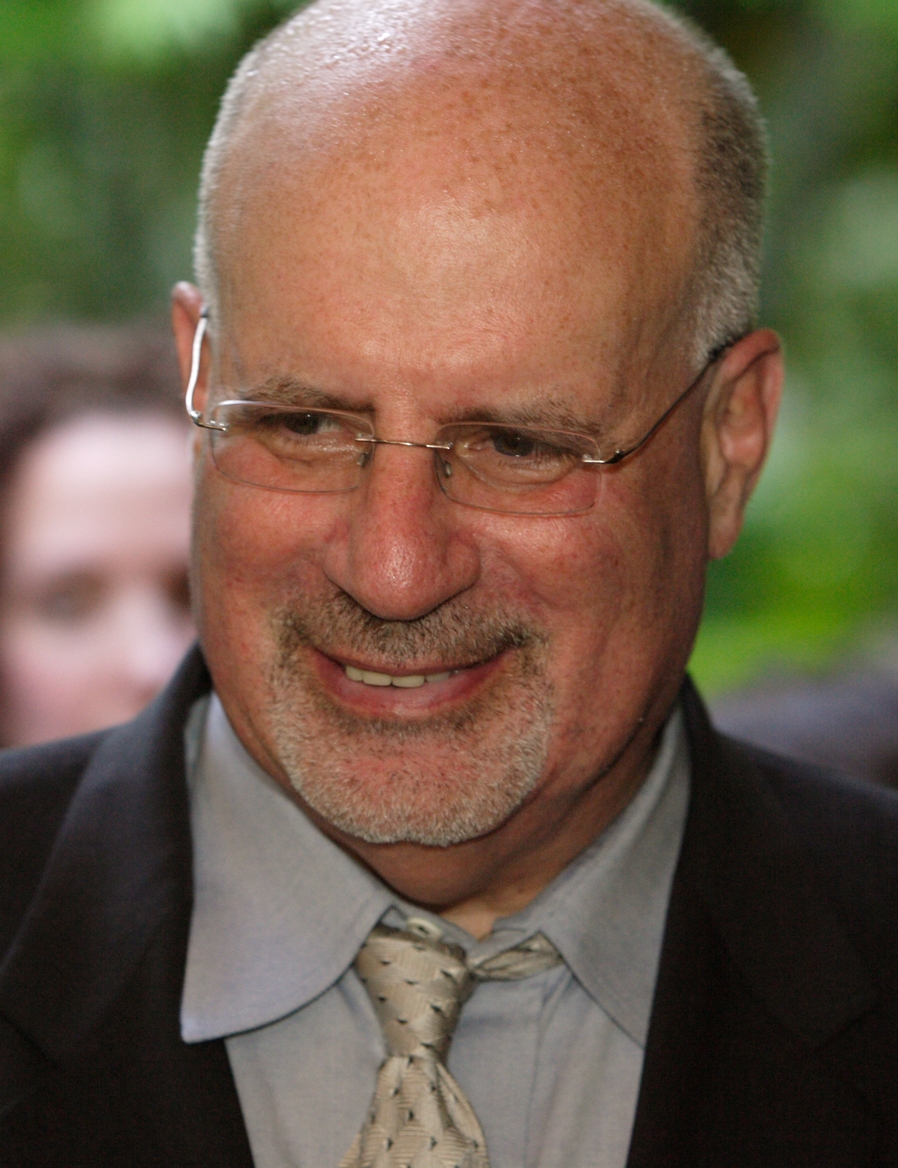
Dr. Ellner is University Professor at the University of Medicine and Dentistry of New Jersey and Professor of Medicine at New Jersey Medical School. He is one of the premier world authorities on TB pathogenesis, epidemiology, and treatment. He has been actively involved in HIV/AIDS research in Kampala, since 1987, establishing a successful program for studying TB in Kampala, Uganda. He has been Principal Investigator of the largest NIH grants ($19 million) for the study of Infectious Diseases and participated in an exchange program that has enabled over 60 Ugandan doctors to train in U.S. medical schools in epidemiology. Currently he directs an International Collaboration for Infectious Diseases (ICIDR) NIH program in Vitoria Brazil that conducts research on TB transmission and pathogenesis. He has been repeatedly named to multiple “Best Doctor” lists and is a member of many organizations.
Moses Joloba, MS, MBChB, PhD
Dr. Moses Joloba is the Head of the Department of Medical Microbiology and Senior Lecturer at Makerere University’s School of Medicine. Since 2004, Dr. Joloba has served as the Head of the National TB Reference Laboratory in Uganda. He has been the Director of the Tuberculosis Research Unit (TBRU) for Case Western Reserve University since 2003. Dr. Joloba received his initial medical training at Makerere Medical School and later sought additional management training at the Uganda Management Institute. Dr. Joloba received his MS in Pathology and Clinical Microbiology as well as his PhD in Molecular Microbiology from Case Western Reserve University on a merit scholarship. He has been a member of the Uganda Medical Association for 14 years and of the American Society for Microbiology for the past 13 years. His current research activities include a co-investigator role on an HIV and malaria co-infection study in Uganda. He is also the principal investigator on two important studies conducted at IDI: Molecular Biology of Mycobacterium tuberculosis in Uganda and Cell to Cell Signaling in Mycobacteria.
Moses R. Kamya, MBChB, MMed, MPH, PhD
 Dr. Moses Kamya is an associate professor in the Department of Medicine at Makerere University Medical School in Uganda. Dr. Kamya is a key person in AIDS care at Mulago Hospital and at the IDI. He formally trained in internal medicine at Makerere University (MU) and in Epidemiology at the University of California at Berkeley. For the past 10 years, he has conducted infectious disease research on HIV, STDs, tuberculosis, and malaria and has trained medical students and residents in the design and execution of several HIV related epidemiological and clinical research. Dr. Kamya has specific interest in the interactions between HIV and malaria. He has written over 75 publications largely in this area. He is project director for the MU-UCSF research collaboration and the Ugandan director for the AIDS International Training and Research Program (AITRP) at Case Western Reserve University, both since 1998. He is also the PI of the Infectious Diseases Institute HIV cohort. He is an editor of the Uganda ART clinical guidelines and currently chairs the Ministry of Health (MOH) adult ART management committee. He is one of the Founding Members of the Academic Alliance for AIDS Care and Prevention in Africa.
Elly T Katabira, MBChB, FRCP Edin
 Dr. Elly Katabira is the Co-Founder of The AIDS Support Organization (TASO), where has served as Medical Advisor since 1987. He is Professor of Internal Medicine and Associate Dean for Research, Faculty of Medicine at Makerere University. He was trained as a medical doctor at Makerere University and later trained as a physician specializing in Neurology in Manchester, UK. He has worked extensively in the field of Care and Support for HIV infected people. He is a Director of the Mulago Hospital AIDS Clinic, which he opened in 1987 and where over 20,000 patients have been treated. He specializes in the development of treatment and management guidelines for HIV/AIDS and has written several publications and chapters in various books on this topic. His research expertise includes clinical trials and operational research issues on various aspects of HIV/AIDS care and support delivery both within institutions and at the community level. He has consulted on HIV/AIDS Care and Supported UNAIDS and WHO both for the headquarters in Geneva and for the African Regional Office in Harare, Zimbabwe.
Edward Katongole-Mbidde, MBCHB, MMED, MRCP (UK)
Dr. Edward Kantongole-Mbidde is the head of Mulago Hospital’s Cancer Institute and a practicing Medical Oncologist. Dr. Mbidde obtained his MBCHB degree from Makerere Medical School in 1972 and specialized in Internal Medicine. He continued his studies medical oncology in the UK. His responsibilities include teaching undergraduate students and residents in internal medicine at Makerere Medical School. He has conducted research locally and internationally. Dr. Mbidde has served on many committees and has presented at many international scientific meetings.
Harriet Mayanja-Kizza, MBChB, MMed (Int Medicine), MS
Dr. Mayanja-Kizza is an Associate Professor of Medicine and Chair of the Department of Internal Medicine at Makerere University Medical School and Mulago Hospital. Dr. Mayanja is an internist and clinical immunologist involved in patient care, teaching, and research. Her research focuses on HIV and tuberculosis interaction, with an emphasis on interventional studies and immune interaction. Currently, she is researching the effect of tuberculosis on HIV progression, with specific projects in the area of cytokine and chemokine regulation in HIV/tuberculosis interaction.
Keith McAdam, MB BChir, FRCP, FWACP
Dr. Keith McAdam is the previous Director of the Infectious Diseases Institute, seconded from Tufts New England Medical Center in Boston, Massachusetts. He is Emeritus Professor of Clinical Tropical Medicine at the London School of Hygiene and Tropical Medicine, a position he held from 1985 to2004. From 1994 to2003, Dr. McAdam was seconded to West Africa to serve as Director of the Medical Research Council (UK) Laboratories in the Republic of The Gambia. Dr. McAdam grew up in Uganda, where his father, Sir Ian McAdam, was Professor of Surgery at Makerere. He did his schooling in Kenya and went on to study medicine at Cambridge University and the Middlesex Hospital in London. After training in Internal Medicine in London, he spent three years at the Institute of Medical Research in Papua New Guinea working on leprosy, malaria, and filariasis as causes of secondary amyloidosis. Two years, from 1975 to 1977, Dr. McAdam developed his laboratory and clinical research focus on inflammation, acute phase proteins, and cytokines, at the Immunology Branch of the National Cancer Institute in Bethesda, Maryland, and continued this focus over the next seven years in Boston as a clinical scientist in the Department of Medicine at Tufts New England Medical Center. Dr. McAdam was Medical Advisor to the UK Parliamentary Select Committee on AIDS in 1987 and a member of the Nuffield Council on Bioethics working party that produced an authoritative publication The Ethics of Healthcare Related Research in Developing Countries.
Concepta Merry, MSc, PhD
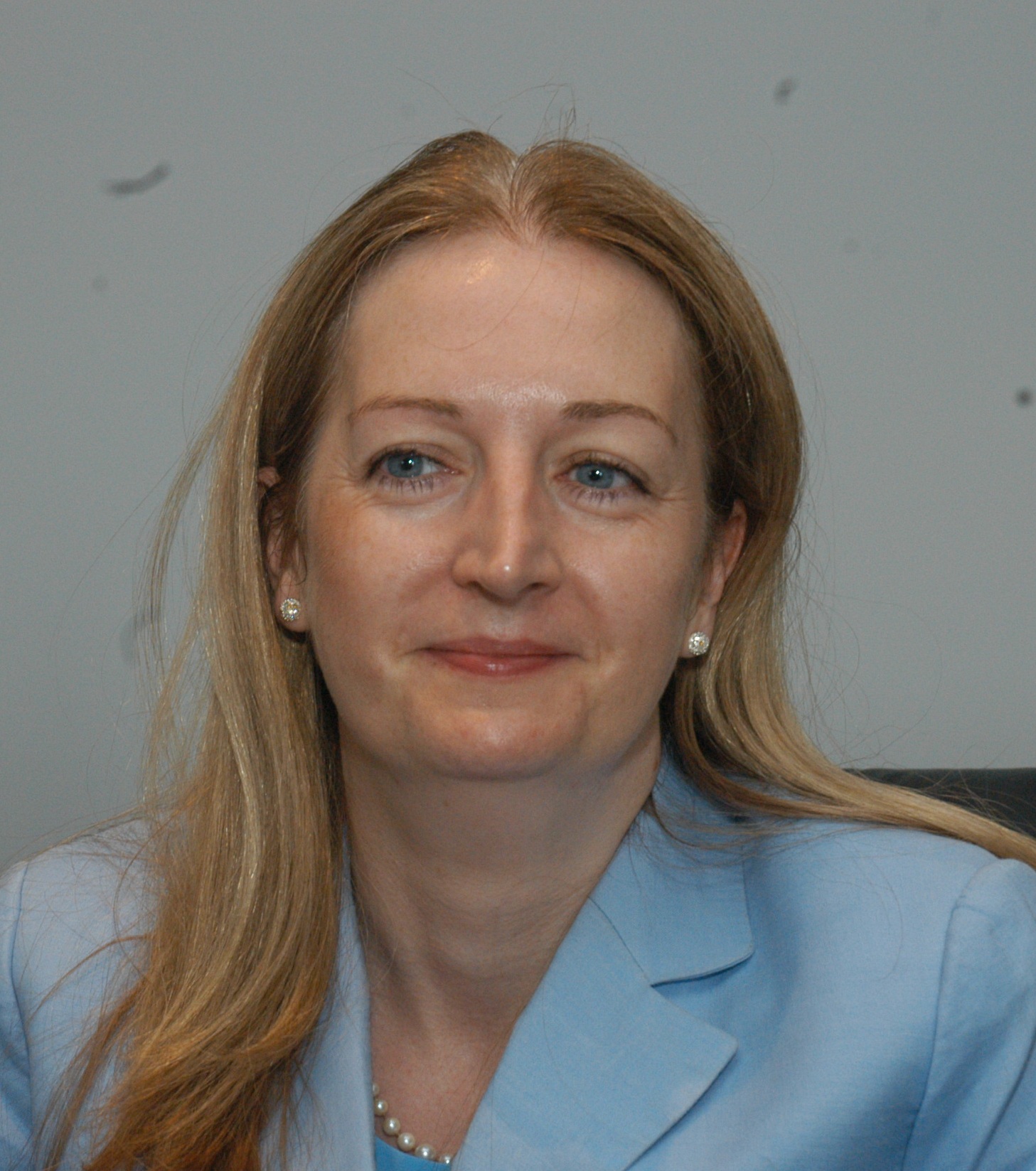
Dr. Merry is a medical graduate from Trinity College Dublin and obtained a masters degree in HIV from the London School of Hygiene and Tropical Medicine and a PhD in pharmacology from Trinity College Dublin. She completed a fellowship in infectious diseases at North Western Memorial Hospital in Chicago, Illinois. Dr. Merry is a Consultant in Infectious Diseases and Senior Lecturer in Global Health at Trinity College Dublin and is currently on a leave of absence and based at the Infectious Diseases Institute, where she is developing HIV pharmacology research and the AIDS Treatment Information Center (ATIC). She is also an honorary lecturer in pharmacology at University of Cape Town, where she is involved in TB-HIV drug interaction studies. Dr. Merry also co-founded Realta, an Irish-based NGO involved in community projects in Kampala and the Mpigi district of Uganda.
Roy Mugerwa, MBChB, MMed
 Dr. Roy Mugerwa is Professor and past Chairman at Makerere University, Department of Medicine. He is the Uganda-based Principal Investigator (PI) for the on-going NIH-funded Tuberculosis Research Projects and the PI for joint projects between Makerere University and University of Medicine and Dentistry, New Jersey. He was the PI for the first preventive HIV vaccine trial in Africa. Dr. Mugerwa was one of the first African scientists to identify AIDS in Uganda and has been Principal Investigator for various clinical and epidemiological trials of HIV-associated tuberculosis, including two successfully completed IND studies and Principal Investigator of various intervention studies to prevent HIV transmission in women.
Philippa Musoke, MD
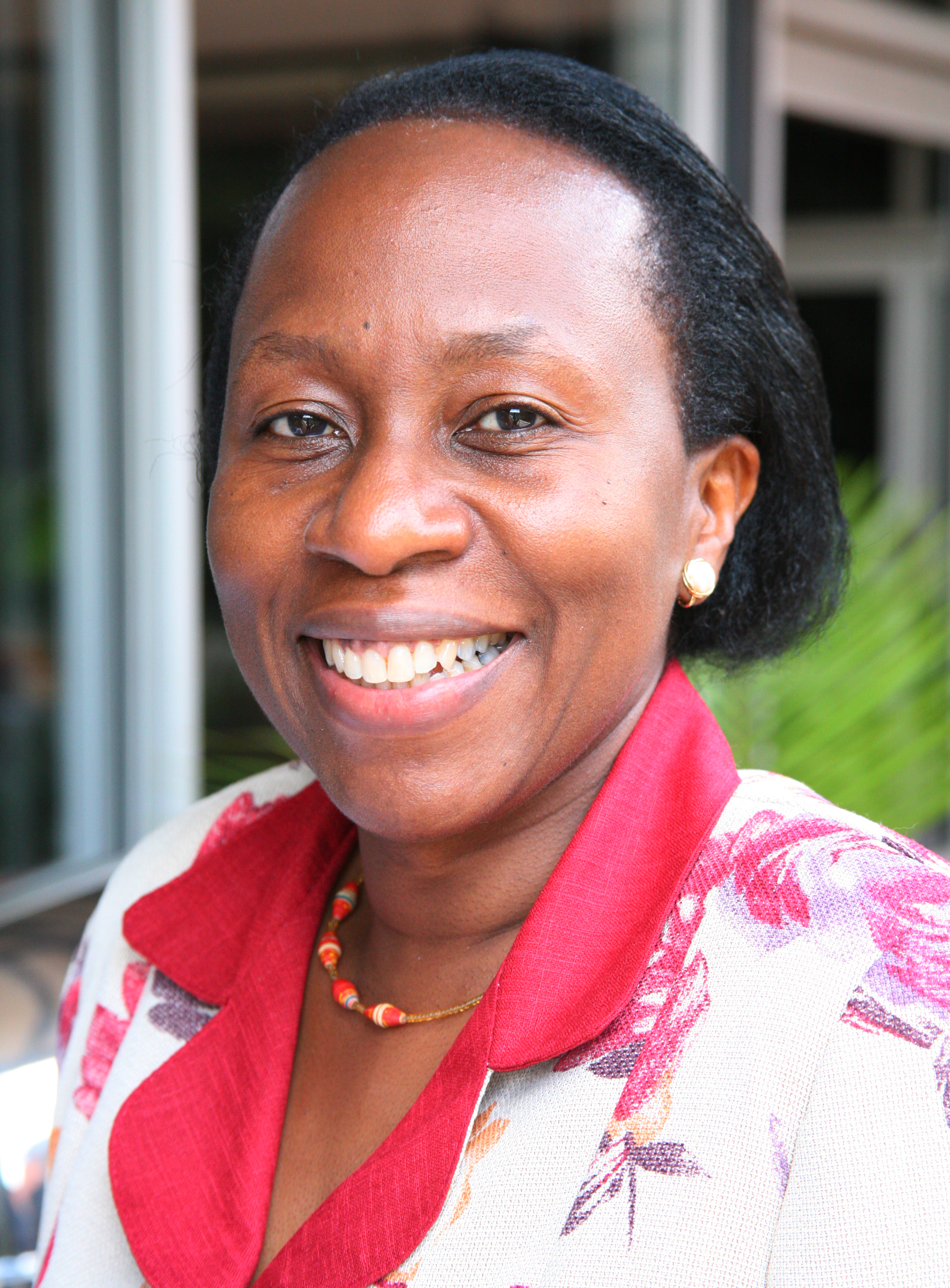
Dr. Philippa Musoke is Associate Professor in the department of Paediatrics and Child Health, Makerere University. She is also Principal investigator for site MUJHU Care Ltd. She previously served as the head of the Paediatrics department and an Investigator at the Makerere University-Johns Hopkins University Research Collaboration based at Mulago Hospital. Her medical degree was obtained from Makerere University. She received her training at Case Western Reserve University, Cleveland Ohio and University of Louisville Kentucky and is board certified in Pediatric Infectious diseases. Her research interests include; Prevention of Mother to Child HIV transmission (PMTCT), Paediatric HIV in resource poor settings and childhood TB.
Thomas Quinn, MD
Dr. Tom Quinn is Professor of Medicine, International Health, Epidemiology, Molecular Microbiology and Immunology at John Hopkins University Medical Institutions. He is also Senior Investigator and Director of the International HIV/STD laboratory at the National Institute of Allergy and Infectious Diseases. One of the first western scientists to identify AIDS in Africa in 1983, he is now a leading authority on the epidemiology, transmission, and models of care for HIV in Africa and other developing nations. Dr. Quinn is responsible for the creation and operation of the state-of-the-art HIV-dedicated laboratory facility at the new Institute.
Allan Ronald, MD
Dr. Allan Ronald is Distinguished Professor Emeritus at the University of Manitoba, Winnipeg, Canada. He was the founder of the highly successful investigation unit for studying HIV and STDs in Nairobi, Kenya from 1980 to 2004. He was President of the International Society of Infectious Diseases from 1996 to 1998. Dr. Ronald was based at Makerere University from 2002 to 2004, during which he assisted with organizing the Infectious Diseases Institute clinical services. He was also Chair of Internal Medicine at the University of Manitoba and Physician in Chief of the Health Sciences Center and is currently the Scientific Director of the National Coordinating Center for Infectious Diseases which is part of the Public Health Agency of Canada. In addition, Dr. Ronald is a Fellow of the Royal Society of Canada and is the 2006 recipient of the Wightman Award from the Gairdner Foundation of Canada.
Walter F. Schlech III, MD
Dr. Walter Schlech is Professor of Medicine in the Dalhousie University Faculty of Medicine and a member of the Division of Infectious Diseases. He has been involved in HIV research and care since 1982. Previously, Dr. Schlech served as a member of the National Advisory Committee on AIDS in Canada and CDC Atlanta’s Advisory Committee on HIV, STD, and Tuberculosis. He is a founding member of the Canada-Africa Prevention Trials (CAPT) Network with partnerships in Uganda, South Africa, and Kenya. He has taught HIV medicine in both India and Uganda. His association with the Infectious Diseases Institute began as an AIDS trainer in 2003. He now returns frequently as a Professor-in-Residence to teach, care for patients, and carry out research at the IDI and Mulago Hospital, as well as at the Mbarara University of Science and Technology. Dr Schlech is also a Governor of the American College of Physicians, a member of their International Advisory Committee, and a past-President of the Canadian Infectious Diseases Society.
Gisela Schneider, MD, MPH
Dr. Gisela Schneider is a medical doctor, specializing in public and reproductive health. She has over 20 years of experience in Africa, mostly in the Republic of The Gambia. She has specific expertise in developing and implementing training programs, especially at the community level. Dr. Schneider held the position of Head of Training at the Infectious Diseases Institute in Kampala, Uganda from 2005 to 2007. Prior to her time in Kampala, she helped set up a comprehensive HIV-care program for Gambia. Dr Schneider is now director at the German Institute for Medical Mission (DIFAEM) in Germany.
David Serwadda, MD
 Dr. David Serwadda is an Associate Professor and Director of the Institute of Public Health at Makerere University in Kamapala, Uganda. Prior to that, he served as the Senior Lecturer in Infectious Epidemiology at the University and as the Director of the Masters of Public Health Program. His various publications have tackled themes such as: alcohol use before sex and HIV acquisition, mortality in HIV-infected and uninfected children of HIV-infected and uninfected mothers in rural Uganda, and the role of sexual behavior change and the national response, just to name a few. He is a member of the Ugandan National Committee for the Prevention of AIDS and a member of the AIDS Research Subcommittee. His expertise has also been sought by the World Health Organization (WHO) in their Department of Reproductive Health and Research and the International Scientific Committee on research pertaining to AIDS and Associated Cancers in Africa.
David Thomas, MD
Dr. David Thomas is a Professor of Medicine and Chief of Infectious Diseases at the Johns Hopkins School of Medicine in Baltimore, Maryland. Dr. Thomas is trained in internal medicine and infectious diseases and cares for patients with chronic viral hepatitis. He also oversees clinical research projects which focus on understanding the natural history and pathogenesis of hepatitis C virus infection. Liver disease in HIV infected persons is a special area of clinical and research focus.
Fred Wabwire-Mangen, MBChB, DTM&H, MPH, PhD
Dr. Fred Wabwire-Mangen is Associate Professor of Epidemiology at the Makerere University Institute of Public Health, where he teaches epidemiology and research methodology to graduate and undergraduate students. He was trained as a medical doctor at Makerere University and later specialized in Tropical Medicine at Liverpool University, and Immunology and Infectious Diseases and Infectious Disease Epidemiology at Johns Hopkins University. His research interests include sexually transmitted diseases, HIV/AIDS, malaria, and reproductive health. He has been a co-investigator with the Rakai Health Sciences Program since 1994, where he was in charge of the maternal infant component of the STD control for the AIDS Prevention Trial. Presently, Dr. Wabwire-Mangen is leading HIV vaccine initiatives in collaboration with the Walter Reed Army Institute of Research. His strengths are in the design, implementation, and analysis of research studies and the translation of research findings into public health policy and practice. Dr. Wabwire-Mangen has over 45 journal publications, some in high impact journals. Dr. Wabwire-Mangen also has specific interests in the development of innovative methods for adult medical education. In this regard, he spearheaded the development in Uganda of the innovative experience based MPH Training Program using the 'Public Health Without Walls' model. In the 10 years of its existence, this Program has produced over 100 MPH graduates who are currently deployed in Public Health leadership positions in Uganda.
Latest News

- Dr. Julie Gerberding Joins Merck Vaccines
- Accordia Global Health Foundation Condemns Uganda's Draft Anti-Homosexuality Bill
- Kaiser Daily Global Health Policy Report: Also In Global Health News: China's Health Care System; Breastfeeding Practices In Pakistan; HIV Transmission In MSM; Abu Dhabi Joins Malaria Fight
- Kaiser Daily Global Health Policy Report: Scientists Find Single Dose Of Drug Cures Visceral Leishmaniasis
Donate Now
Your support will mean a healthier future for Africa. Our programs and services can only reach their full potential through the generous support of our partners and donors.
Sign up for our Newsletter
Join our email list to receive The Alliance newsletter and occasional updates from Accordia Global Health Foundation.

